About the producer
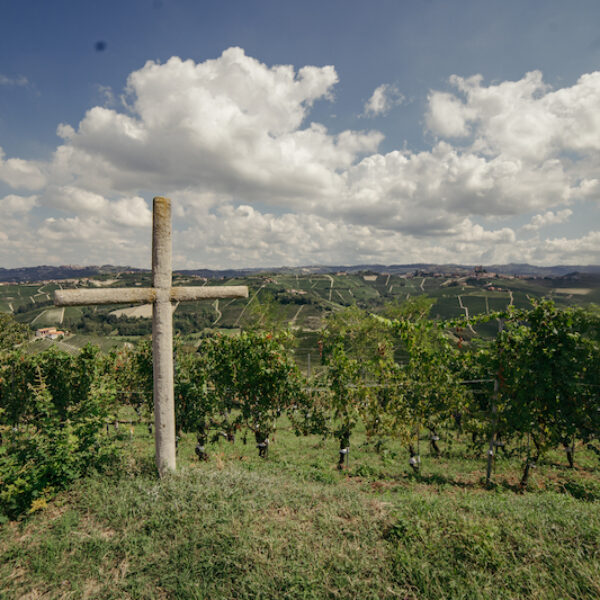
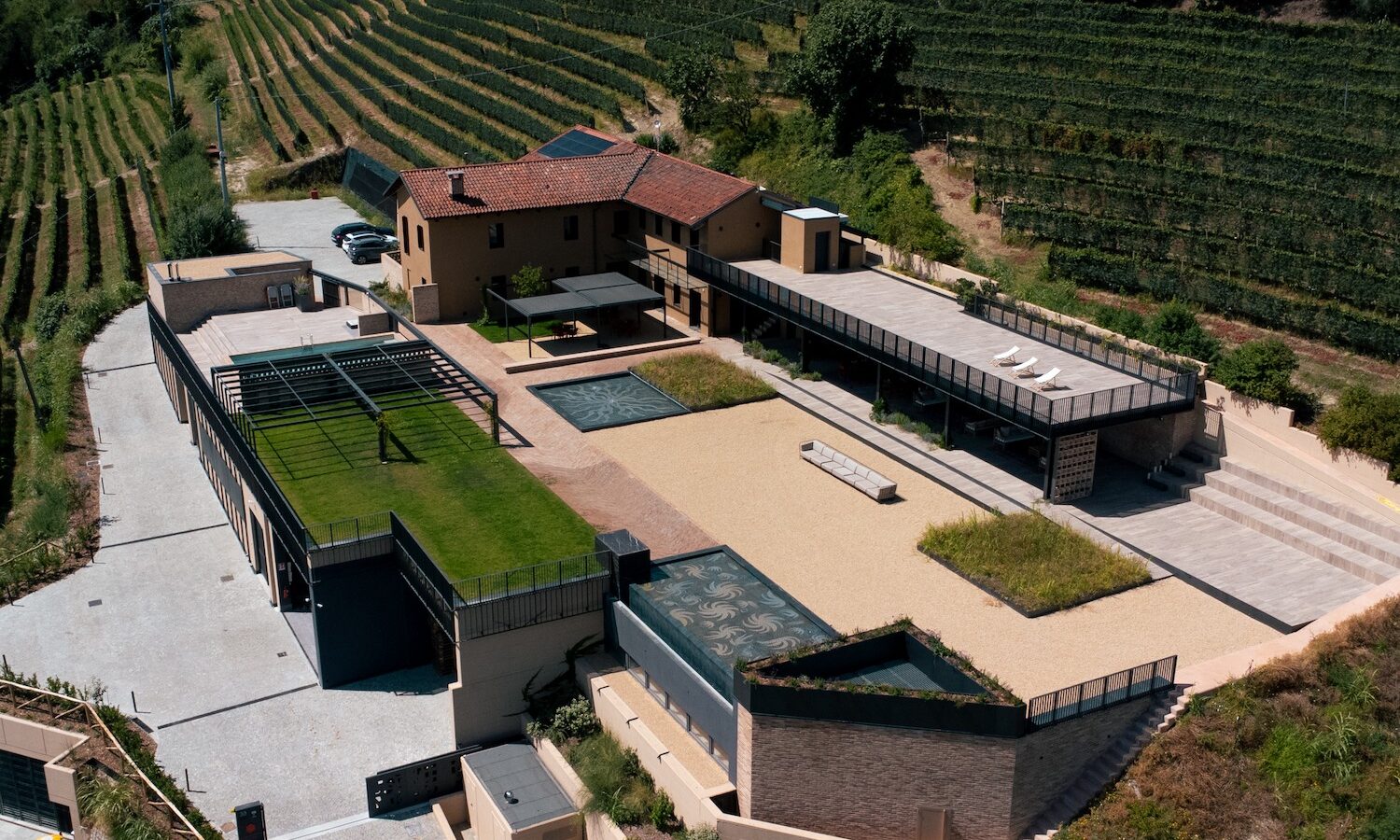
In the heart of the Langhe hills in Monforte d’Alba, Castello di Perno is a distinctive winery where historic heritage and contemporary viticulture converge. The estate takes its name from the medieval Castello di Perno, a landmark that has presided over the hamlet since the early 20th century and today stands as a cultural hub embracing hospitality, art, and wine. Founded in 2013, Castello di Perno embodies a neo-classical winemaking philosophy: a deep respect for time-honored Barolo traditions paired with a modern sensitivity to terroir expression and refined elegance. The estate farms approximately 14 hectares of vineyards, with meticulous attention to manual work, grape selection, and vintage variation. These holdings allow the team to translate the unique character of Monforte’s crus — particularly Castelletto — into wines of balance, structure, and precision.
READ MORE
An essential chapter in the estate’s identity is its association with Giulio Einaudi, one of Italy’s most influential 20th-century publishers. In the late 1970s, Einaudi acquired Castello di Perno and transformed it into a creative and intellectual retreat, a place dedicated to literature, debate, and cultural exchange. Writers and thinkers connected to the Einaudi publishing house — including Primo Levi — gathered here, embedding a legacy of ideas, dialogue, and humanist values that continues to define the spirit of the estate today. More than a wine estate, Castello di Perno remains a place where culture, history, and terroir intersect — a living dialogue between land, thought, and craft in the heart of the Langhe.

In the Vineyard
Organic biodynamic practices
Sustainable
Total area under vine
14 hectares
Location of vineyards
Monforte d'Alba, Serravalle Langhe, Nizza Monferrato
Soil details
calcareous and limestone; white chalk and silex; limestone and sand (Diano sandstones); calcareous and sand (Lequio formation); rocky, calcareous and sand (Lequio formation)
Grapes
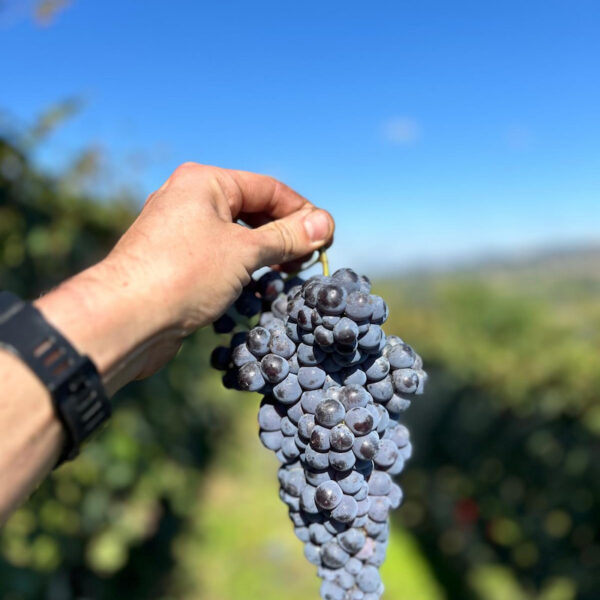
Nebbiolo, Barbera, Dolcetto, Pinot Nero, Nascetta, Chardonnay

In the Cellar
Winemaker
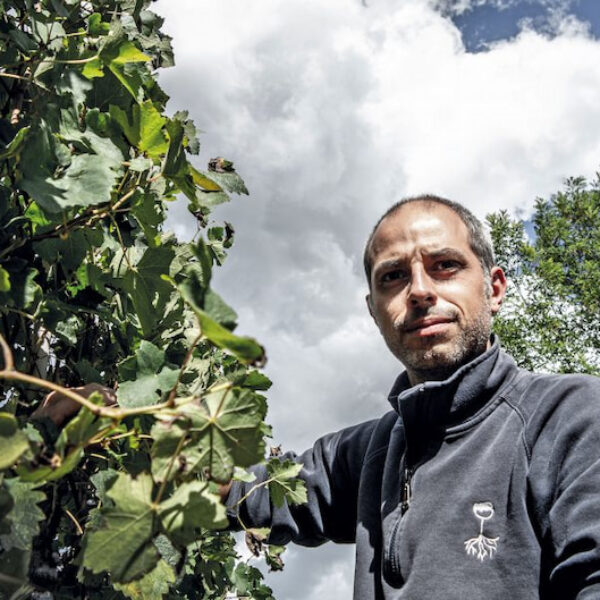
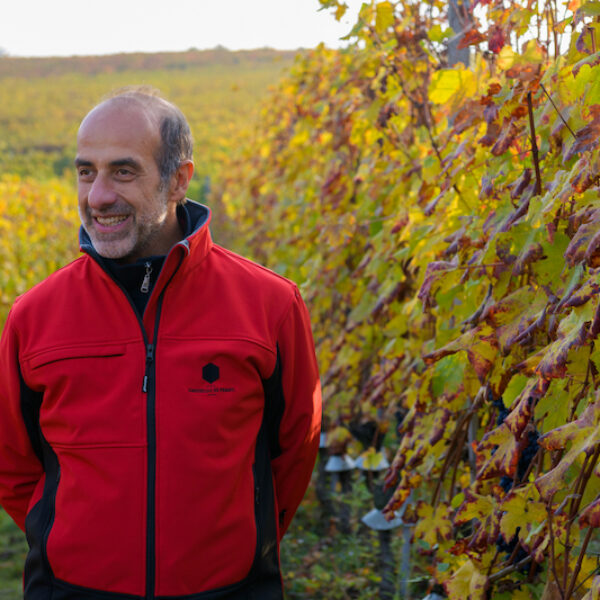
Gian Luca Colombo
Fermentation practices
About three to five weeks if skin contact followed by either concrete, steel or oak aging in untoasted 500L Austrian barrels and barriques
Yeast utilized
Indigenous Yeast
Fermentation & aging vessels
Steel fermentation followed by oak aging in either 500L tonneaux, 10h, 50h and 75h old Austrian barrels and barriques

Additional notes
Winemaking style
Neoclassical style
Wines produced
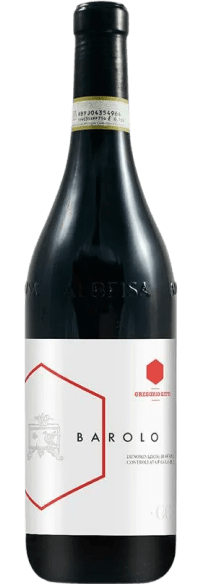
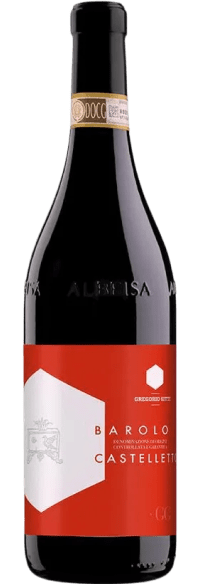
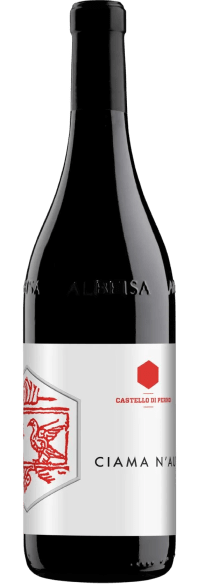
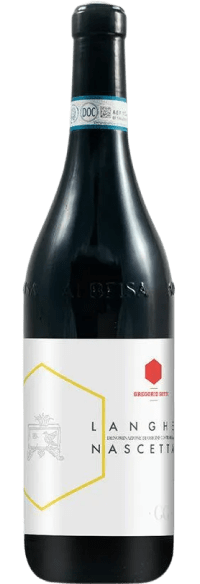
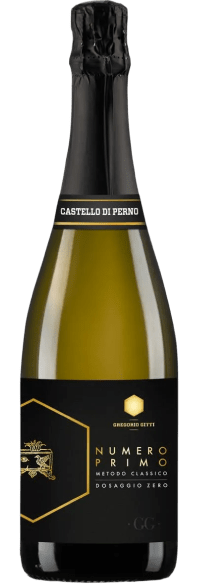
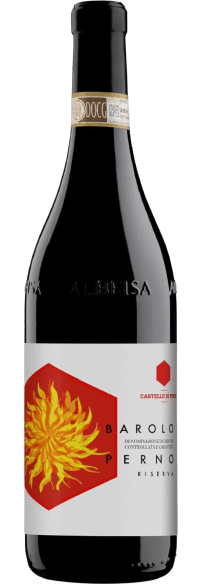
Numero Primo, Langhe Nascetta DOC, Ciama N'Aut, Barbera d’Asti DOCG, Nizza DOCG, Langhe Nebbiolo DOC, Barolo DOCG, Barolo Castelletto DOCG, Barolo Perno Riserva DOCG
Total production
72,000 btls